

If you’ve searched for “Pinterest punished for saving pins”, chances are you’re worried about doing something wrong on the platform just by using it normally.
And honestly—that concern makes sense.
Pinterest feels different from other social platforms. Its rules aren’t always obvious, and when people suddenly lose reach or see warnings, rumors start spreading fast.

So let’s clear this up once and for all.
👉 Does Pinterest actually punish users for saving pins?
👉 If not, why do people think it does?
👉 And how can you save pins safely without risking your account?
Let’s break it down in simple, human language.
First Things First: Is Pinterest Punished for Saving Pins?
No. Pinterest does not punish users simply for saving pins.
Saving pins is one of the most basic and essential actions on Pinterest. The platform was literally built around the idea of saving inspiration to boards.
If Pinterest punished people for saving pins, the platform wouldn’t function.
So where does this idea come from?
Why the “Pinterest Punished for Saving Pins” Myth Exists
This myth usually comes from users experiencing account limitations, then assuming saving pins was the cause.
In reality, Pinterest looks at patterns, not single actions.
When saving pins turns into something that looks spammy or automated, that’s when problems can happen.
How Pinterest Actually Views Pin Saving

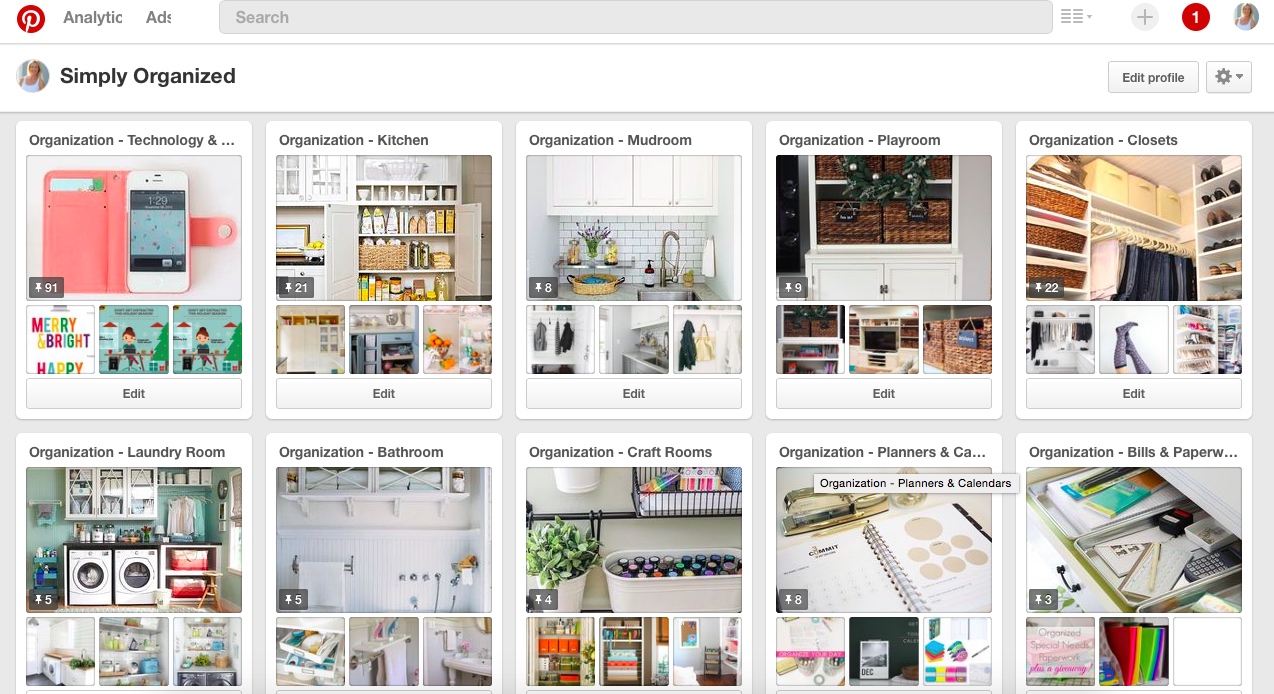
Pinterest treats saves as a positive engagement signal. Each save helps Pinterest understand:
- What topics interest you
- What kind of content belongs together
- Who might enjoy similar pins
Normal saving behavior = good for your account, not bad.
When Saving Pins Can Cause Issues
This is where most confusion happens.
Pinterest doesn’t punish saving pins — it reacts to how they’re saved.
1. Saving the Same Pin Repeatedly, Too Fast
Saving one pin to 20 boards within a few minutes can look unnatural.
Better approach:
Save to 1–3 relevant boards and move on.
2. Using Automation or Bots


Auto-saving tools that blast hundreds of pins per day are one of the biggest red flags.
Pinterest prefers human behavior, not robotic activity.
3. Saving Low-Quality or Misleading Pins
If you consistently save pins that:
- Lead to broken links
- Redirect to spammy websites
- Contain misleading titles
Pinterest may limit your account’s distribution.
4. Ignoring Board Relevance
Saving random pins to unrelated boards confuses the algorithm and lowers trust signals.
What Pinterest Officially Encourages
Pinterest encourages:
- Relevant saves
- Thoughtful board curation
- Authentic engagement
Saving pins helps Pinterest recommend better content to users.
That’s the opposite of punishment.
How to Save Pins Safely (Best Practices)
If you want zero stress while using Pinterest, follow these simple rules:
✅ Save With Purpose
Only save pins that truly fit your board’s topic.
✅ Space Out Your Activity
Browse, scroll, click, and save naturally—like a real person (because you are).
✅ Focus on Fewer Boards
Well-organized boards perform better than dozens of random ones.
✅ Mix Saved Pins With Fresh Content
If you create content, add original pins alongside saved ones.
✅ Always Check the Link
One click can prevent accidentally saving spam.
Is Pinterest Punished for Saving Pins for Bloggers & Businesses?
No—and for creators, saving pins is actually strategic.
Smart saving:
- Trains Pinterest’s algorithm about your niche
- Improves content discovery
- Builds topical authority
Saving pins is part of Pinterest SEO, not a risk.
Final Answer: Pinterest Punished for Saving Pins?
Let’s say it clearly:
Pinterest does not punish users for saving pins.
What Pinterest does act against:
- Spam-like behavior
- Automation abuse
- Repetitive, unnatural actions
If you save pins thoughtfully and naturally, you are using Pinterest exactly the way it was designed.
Final Takeaway
Don’t let fear-based myths stop you from enjoying Pinterest.
Save pins. Organize ideas. Explore inspiration.
Just do it smartly.
Is Pinterest punished for saving pins?
No, Pinterest does not punish users for saving pins. Saving pins is a core feature of Pinterest and is encouraged. Problems only arise when saving behavior appears spammy, automated, or violates platform policies.
Can saving too many pins get you banned on Pinterest?
Saving many pins alone will not get you banned. However, saving too many pins in a very short time, especially the same pin repeatedly or using automation tools, may trigger temporary limits or reduced reach.
How many pins can I safely save per day on Pinterest?
There is no official daily limit, but most experts recommend saving pins naturally, spreading activity throughout the day. Quality and relevance matter more than quantity.
Does Pinterest limit accounts for normal activity?
No. Pinterest limits accounts only when it detects unusual or spam-like patterns, such as:
- Auto-saving tools
- Repetitive actions
- Low-quality or misleading content
Normal browsing and saving do not cause limits.
Can saving the same pin to multiple boards hurt my account?
Saving the same pin to many boards at once may look unnatural. It’s safer to save a pin to 1–3 highly relevant boards and avoid repeating the action quickly.
Why did my Pinterest reach drop after saving pins?
A reach drop is usually caused by:
- Algorithm updates
- Inconsistent activity
- Saving irrelevant or low-quality pins
It is not caused by saving pins itself.
Does Pinterest consider saving pins as spam?
No. Pinterest only considers saving spam when it involves:
- Automation
- Repetitive behavior
- Policy violations
Normal, intentional saving is not spam.
Is saving pins part of Pinterest SEO?
Yes. Saving relevant pins helps train Pinterest’s algorithm, improves topic association, and supports Pinterest SEO when done strategically.