Table of Contents
Everything You Need to Know About Pinterest and Social Media
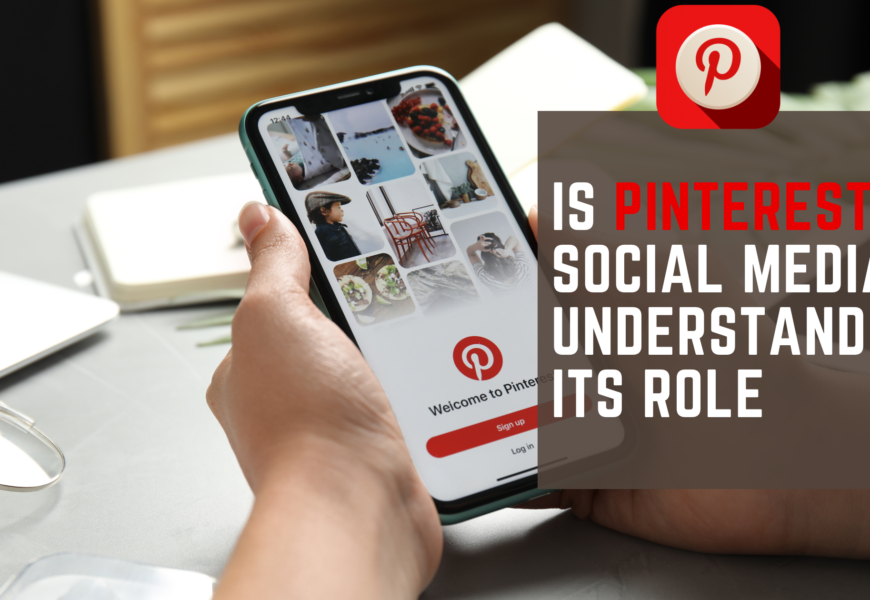
Is Pinterest social media? This question continues to spark discussion among marketers, creators, and everyday users. Pinterest sits in a unique space online, blending visual discovery, inspiration, and light social interaction—yet it doesn’t behave like traditional social platforms. Instead of focusing on personal updates or conversations, Pinterest functions as a digital inspiration hub where users save, organize, and plan ideas for the future.
Users curate images and videos into themed boards that reflect goals, interests, and aspirations—from home design and fashion to travel and business ideas. While Pinterest includes social features, its core purpose is discovery rather than communication. Understanding where Pinterest fits in the digital ecosystem is essential for anyone looking to use it effectively, whether for personal inspiration or strategic marketing.
What is Pinterest and is it considered a social network?
Pinterest is a visual discovery platform designed to help users find, save, and organize ideas. At first glance, it may appear to be a social network, but its functionality sets it apart from traditional platforms. Users create boards and save “pins,” which are images or videos linked to articles, products, or other external content.
Unlike conventional social media, Pinterest prioritizes content interaction over user-to-user communication. People engage more with ideas than with profiles. This has led many to question whether Pinterest truly qualifies as a social network.
Pinterest’s co-founder, Ben Silbermann, has emphasized that the platform is fundamentally different from social media. He describes Pinterest as a personal utility—a place where users collect ideas for themselves rather than sharing life updates with friends. This philosophy highlights Pinterest’s distinct role in the digital landscape.
Understanding Pinterest as a Social Media Platform
Despite its differences, Pinterest still includes several core elements of social media. Users can follow accounts, comment on pins, share content, and collaborate on boards. These features support community interaction, even if they’re not the main focus.
Pinterest’s social experience is quieter and more interest-based than platforms like Facebook or Instagram. Engagement centers around shared ideas rather than personal identity. This creates a more intentional and less performative environment.
The platform’s visual-first approach is another defining trait. High-quality images and videos dominate the experience, making Pinterest especially appealing to users seeking creative or aspirational content. This emphasis on visuals is a major factor behind its sustained popularity.
Exploring the Differences Between Pinterest and Traditional Social Networks
Pinterest does not prioritize real-time updates, trending conversations, or personal status posts. Instead, it operates more like a visual search engine. Users arrive with intent—looking for solutions, inspiration, or ideas tied to future goals.
User behavior on Pinterest is notably forward-focused. People plan weddings, remodel homes, design outfits, or prepare business strategies months in advance. This contrasts sharply with the real-time, moment-driven engagement common on other social platforms.
Pinterest’s algorithm emphasizes relevance and user intent over recency or social relationships. As a result, content discovery is broader and more interest-driven, allowing older pins to resurface and perform well long after they’re published.
How can businesses use Pinterest for marketing?
Businesses can take advantage of Pinterest’s visual nature to present products, services, and ideas in a compelling way. Well-designed pins that link to blogs, product pages, or landing pages can generate consistent traffic and conversions.
Pinterest’s built-in search system allows brands to reach users through keywords and interests. By optimizing pin titles, descriptions, and boards, businesses can position their content in front of users actively searching for related ideas.
Rich Pins add even more value by displaying extra details such as pricing, availability, or article headlines directly on the pin. These enhancements improve user experience and can significantly increase engagement and click-through rates.
Utilizing Pinterest as a Marketing Tool
Successful Pinterest marketing starts with high-quality, visually appealing content. Pins should educate, inspire, or solve a problem—not just promote a product. Tutorials, infographics, idea lists, and mood boards consistently perform well.
Consistency plays a critical role. Regular pinning helps brands stay visible and relevant. Many businesses use scheduling tools and content calendars to maintain steady activity without overwhelming their audience.
Pinterest Analytics provides valuable insights into audience behavior, engagement, and performance. By reviewing this data, marketers can refine their strategy, double down on high-performing content, and better understand what resonates with their audience.
Optimizing Pinterest Ads for Maximum Impact
Pinterest offers multiple advertising formats, including promoted pins, video ads, and shopping ads. These ads blend naturally into users’ feeds, making them feel less intrusive than traditional social ads.
Precise targeting is one of Pinterest’s strengths. Advertisers can target users based on keywords, interests, demographics, and even life events. This allows brands to connect with users at the exact moment they’re planning or researching.
Testing and optimization are essential. A/B testing different visuals, headlines, and calls-to-action helps improve performance over time. Continual refinement ensures better engagement and a higher return on ad spend.
Engaging with the Community on Pinterest through Group Boards
Group boards allow multiple contributors to pin content to a shared board. These boards are valuable for collaboration, visibility, and community building, especially within specific niches.
By joining or hosting relevant group boards, businesses can expand their reach and connect with influencers and engaged audiences. Active participation helps position a brand as knowledgeable and trustworthy.
It’s important to respect each group board’s rules and culture. Sharing valuable, non-spammy content encourages engagement and fosters positive relationships with other contributors.
How does Pinterest compare to other social media platforms?
Pinterest’s emphasis on visual discovery distinguishes it from text-heavy platforms like X (Twitter) or LinkedIn. Even compared to Instagram or TikTok, Pinterest content is more evergreen and less trend-dependent.
Pinterest functions more like a search engine than a social feed. Users actively look for ideas rather than passively scrolling. This intent-driven behavior makes Pinterest particularly effective for businesses targeting users in the planning or decision-making phase.
Demographically, Pinterest still attracts a strong female audience, though male usage continues to grow. Popular categories include home, fashion, food, wellness, and business—making it ideal for lifestyle-focused brands.
Comparing Pinterest to Traditional Social Networks like Facebook and Instagram
Facebook prioritizes relationships, conversations, and real-time updates. Pinterest, by contrast, centers on ideas rather than people. Content relevance matters more than who posted it.
While both Instagram and Pinterest are visual platforms, Instagram focuses on personal storytelling and brand identity. Pinterest is about collecting and organizing inspiration from many sources.
Another major difference is content lifespan. Pinterest pins can generate traffic for months or even years, whereas posts on Facebook and Instagram typically fade within days.
Exploring the Unique Features of Pinterest such as Visual Search and Pinners
Pinterest’s visual search allows users to find similar items by selecting part of an image. This is especially powerful for fashion, interior design, and product discovery.
“Pinners” are users who curate and organize content into boards. Skilled curators often gain large followings, creating a unique form of influence that’s based on taste and usefulness rather than personality.
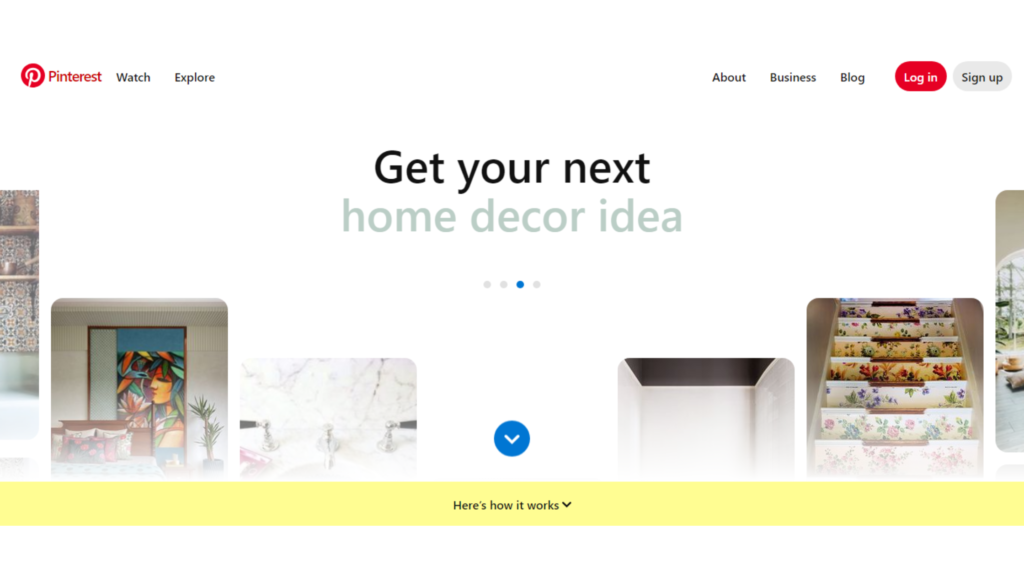
Pinterest Lens extends visual search into the real world. Users can photograph objects and instantly discover related ideas or products, seamlessly blending offline and online inspiration.
What are the benefits of utilizing Pinterest for social media marketing?
Pinterest offers long-lasting visibility. Pins continue to drive traffic well after publication, providing sustained value from a single piece of content.
User intent on Pinterest aligns closely with purchasing and planning behaviors. This makes users more receptive to brand messaging and product discovery.
The platform’s visual format allows brands to showcase products in real-life contexts, helping users imagine how items fit into their own lives—an advantage for conversion-focused marketing.
Harnessing Pinterest’s Visual Appeal for Effective Marketing Strategies
Eye-catching visuals are essential. High-resolution images, readable text overlays, and vertical formats perform best, especially on mobile devices.
Video pins are increasingly effective. Short, informative videos that demonstrate products or provide tips tend to generate strong engagement.
Visual storytelling can deepen brand connection. By creating cohesive boards or pin series, brands can guide users through ideas, transformations, or step-by-step journeys.
Understanding How Pinterest Helps in Targeting Specific Audiences through Keywords
Keywords are central to Pinterest’s discovery system. Using relevant keywords in titles, descriptions, and board names improves visibility and reach.
Pinterest’s guided search suggestions reveal what users are actively searching for. These insights help brands refine content and align with user intent.
For ads, Pinterest allows advertisers to combine keyword targeting with interests and demographics, ensuring highly relevant audience reach.
How can individuals make the most out of using Pinterest?
Individuals can use Pinterest as a planning and inspiration tool for nearly any aspect of life. Creating dedicated boards helps organize ideas and clarify goals.
Secret boards allow private planning for personal projects or surprises. Users can also collaborate on these boards with selected contributors.
Pinterest’s “Try” feature encourages users to share results from ideas they’ve implemented, creating a more interactive and community-driven experience.
Creating an Effective Pinterest Strategy for Personal Use
Curating who and what you follow shapes your feed. Following relevant boards and creators ensures consistent inspiration aligned with your interests.
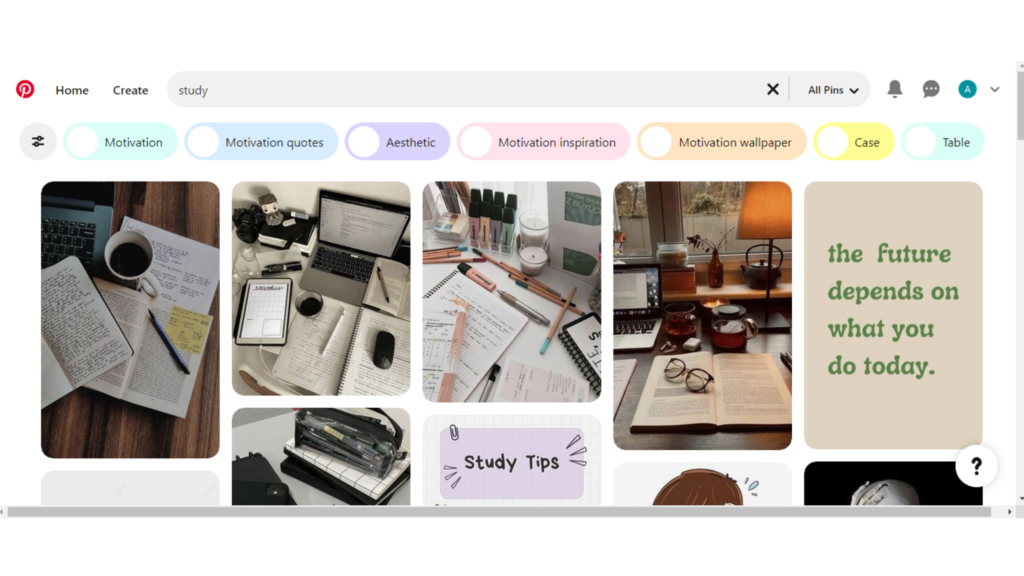
The Pinterest browser extension makes saving ideas from across the web effortless, helping users build comprehensive collections quickly.
Well-organized boards with clear titles, descriptions, and custom covers improve both usability and visual appeal, creating a more enjoyable experience.
Leveraging Pinterest’s Community to Discover New Ideas and Trends
Pinterest’s Explore page highlights trending topics and popular ideas, making it a valuable resource for staying current.
Group boards offer collaborative spaces where users share ideas and perspectives. Joining active group boards can spark creativity and connection.
Engaging through comments, saves, and repins strengthens community interaction and helps users discover new creators and content.
Conclusion
Whether Pinterest is classified as social media or not, its impact is undeniable. The platform blends visual search, inspiration, and light social interaction into a unique digital experience. For businesses, Pinterest offers powerful opportunities to reach motivated, idea-driven audiences.
For individuals, it serves as a creative hub for organizing goals and discovering inspiration. Ultimately, Pinterest’s value lies not in its label, but in how effectively it helps users plan, discover, and create.
As Pinterest continues to evolve, its hybrid nature ensures it remains a valuable tool for growth, creativity, and connection in the digital world.